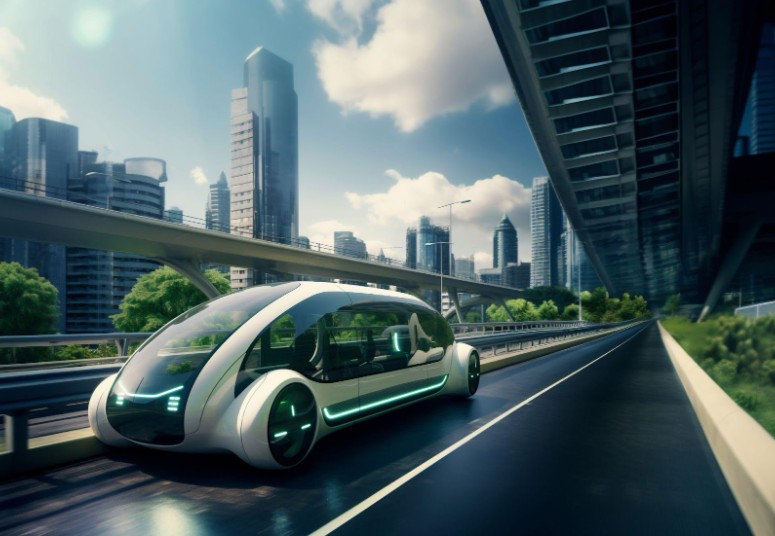
The global shift toward sustainable transportation is gaining momentum, and India is emerging as a key player in this transformation. With a strong policy push, growing consumer awareness, and rapid technological advancements, Electric Vehicles (EVs) are set to redefine the future of mobility in India. A growing number of Indian companies are playing a pivotal role in this journey, making significant investments in EV manufacturing, infrastructure, and innovation.
India’s EV Landscape: A Snapshot
India is targeting ambitious goals under the National Electric Mobility Mission Plan (NEMMP) and FAME (Faster Adoption and Manufacturing of Hybrid and Electric Vehicles) schemes. These government-led initiatives aim to reduce dependency on fossil fuels, curb pollution, and promote indigenous manufacturing.
The EV market in India is witnessing exponential growth, particularly in two-wheelers, three-wheelers, and commercial vehicles. The increased focus on clean energy and favorable incentives is creating a fertile ground for Indian companies to lead and innovate in the electric mobility space.
Indian Companies Leading the EV Charge
Several Indian companies have emerged as front-runners in the EV ecosystem:
Tata Motors
A pioneer in the Indian EV segment, Tata Motors has launched successful electric models like the Nexon EV and Tiago EV, catering to both personal and commercial users.
Mahindra & Mahindra
With a legacy in electric mobility, Mahindra has expanded its EV portfolio under the XUV400 and e-Verito models.
Ola Electric
As a leading startup in the EV two-wheeler space, Ola Electric is making headlines with its innovative scooters and plans for a large-scale battery manufacturing facility.
Ather Energy
Known for its smart scooters, Ather is setting benchmarks in connected electric two-wheelers and expanding its charging network across cities.
Additionally, Indian companies like Hero Electric, TVS Motor, and Ashok Leyland are also aggressively investing in R&D, product development, and EV infrastructure to tap into the rapidly expanding market.
Challenges and Opportunities
While the growth trajectory of Electric Vehicles in India is promising, challenges such as high upfront costs, limited charging infrastructure, and supply chain constraints remain. However, these challenges present unique opportunities for Indian companies to innovate in battery technology, localized manufacturing, and smart mobility solutions.
With government support and private sector participation, India is poised to become a global EV hub in the coming decade.
The rise of Electric Vehicles (EVs) in India is not just a shift in transportation but a major industrial revolution, and Indian companies are positioning themselves at the forefront of this transformation. From legacy auto manufacturers like Tata Motors and Mahindra to EV-focused startups such as Ather Energy and Ola Electric, the domestic ecosystem is rapidly evolving. These companies are investing heavily in R&D, battery manufacturing, and charging infrastructure. The government’s FAME II scheme, coupled with state-level incentives, has accelerated EV adoption and created a favorable environment for innovation. Furthermore, India’s emphasis on localized manufacturing under the Atmanirbhar Bharat initiative has led to increased production of components like lithium-ion batteries and electric drivetrains within the country. This industrial growth is also generating employment and stimulating investments across supply chains. As environmental concerns and fuel costs rise, Electric Vehicles present a sustainable and economically viable future, and Indian companies are actively shaping this green transition. To support this green mobility trend further, individuals and businesses expanding or relocating their EV fleets may also explore reliable Car Shipping Company Norfolk for specialized vehicle transport services tailored to electric vehicles.
Conclusion
The rise of Electric Vehicles marks a transformative shift in India’s transportation ecosystem. Indian companies are not just adapting to this change—they are leading it. As technology evolves and infrastructure improves, the synergy between policy, innovation, and enterprise will ensure that India drives confidently into a cleaner, greener future.