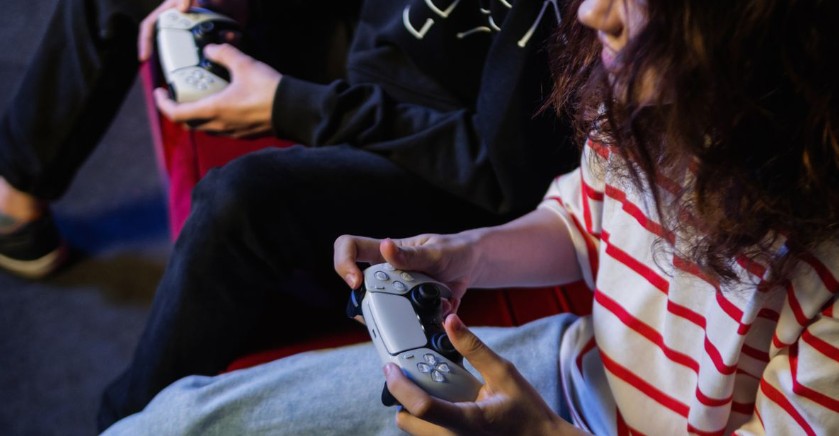
How did online gaming move from a niche hobby into a core part of digital entertainment? The short answer is that it matched the way people already use screens, social spaces, and fast internet. Once games could be played anywhere, shared instantly, and updated often, they stopped feeling like a separate pastime and started fitting into daily media habits.
That shift did not happen overnight. It came from better devices, wider access, stronger social features, and a growing comfort with interactive media. Online games now sit alongside streaming, music, and social apps as a normal part of how people relax, compete, and connect.
It also helps that online gaming offers something many other forms of entertainment do not: active participation. Instead of only watching or listening, players make choices, react in real time, and often interact with other people. That mix of control, challenge, and social contact has helped online gaming become a major part of digital life.
From Niche Hobby To Everyday Habit
Online gaming did not become popular just because more people had internet access. It grew because the format matched changing routines. As phones, laptops, tablets, and home connections improved, games became easier to start, pause, and return to. That made them fit short breaks, evenings at home, and time spent commuting or waiting around.
At the same time, games became less isolated. Earlier forms of gaming often focused on single-player experiences or local play. Online features changed that by adding chat, matchmaking, shared progress, and live events. People were no longer only playing a game. They were joining a social activity that could continue across days or weeks.
That social layer matters a lot. A player may start for the gameplay, but they often stay for the routine, the friendships, and the shared goals. Online gaming became part of digital entertainment because it offers both entertainment and connection in one place.
Technology Made Gaming More Accessible
Better technology helped online gaming move from occasional use to everyday use. Faster internet reduced delays, improved real-time play, and made updates faster to download. Devices also became more capable, so more people could run games without needing expensive equipment.
Mobile access changed the picture even more. When games moved onto phones, they stopped being tied to one room or one machine. That shift opened gaming to people who had never owned a dedicated gaming device. It also made gaming feel closer to other daily digital activities like messaging, browsing, and watching short videos.
Cloud-based play, cross-device accounts, and automatic updates also made the experience easier to manage. Players could start a session quickly, keep their progress, and return later without much setup. For many people, that convenience made online gaming feel like a normal part of digital entertainment rather than a special event.
Services such as YOI4D show how digital access can be organized around simple entry points, which is part of why online entertainment keeps fitting into everyday routines.
Social Features Changed The Experience
One of the biggest reasons online gaming grew so fast is that it turned play into a shared experience. People do not just compete or cooperate with strangers. They also play with friends, family members, coworkers, and online communities. That social connection gives games a stronger place in daily digital habits.
Chat tools, voice communication, and group play made games feel more immediate and personal. A match can become a conversation. A long-running game can become a regular meetup spot. Over time, those repeated interactions build familiarity, and familiarity keeps people coming back.
Streaming and recorded gameplay added another layer. People can now watch others play, learn strategies, or follow personalities they enjoy. This turned gaming into something that is both interactive and spectator-friendly. In other words, online gaming became entertainment for players and viewers at the same time.
Games Became Part Of Wider Digital Culture
Online gaming did not grow in isolation. It expanded alongside social media, video platforms, and digital communities. Clips, screenshots, live chats, and shared reactions helped games spread far beyond the people actually playing them. A game could become part of online conversation even for someone who never opened it.
That visibility gave gaming a stronger cultural role. Characters, modes, events, and player moments began appearing in memes, comment threads, and short-form videos. As a result, gaming started to feel less like a separate hobby and more like one of the main forms of digital content people talk about every day.
It also helped that games began using the same habits that other digital media use. Seasonal updates, live events, and social sharing all encouraged repeat visits. People were not only playing for fun in the moment. They were following ongoing content, much like they would with a series or a channel.
In the middle of that shift, LOGIN YOI4D fits the idea of quick digital access, which is part of why online entertainment feels so normal on modern devices.
Why Online Gaming Keeps People Coming Back
Online gaming has a strong replay factor because it mixes variety, feedback, and personal progress. A player can improve skills, try new strategies, or change roles without needing a totally new format. That keeps the experience fresh while still feeling familiar.
There is also a clear sense of momentum. Many online games reward regular play with rankings, unlocks, or in-game events. Even when people are not chasing rewards, they often enjoy the rhythm of short sessions and quick results. That pacing fits modern attention habits better than slower forms of entertainment.
Another reason people return is identity. Players often develop a style, a set of favorite modes, or a regular group they play with. That creates a personal connection to the activity. When entertainment feels personal, it becomes part of routine rather than something occasional.
The Role Of Community And Shared Identity
Online gaming also became core to digital entertainment because it helps people feel part of a group. Communities form around games, play styles, events, and even shared jokes. These groups give people a place to talk, compare progress, and feel recognized.
That sense of belonging can be just as important as the game itself. For many players, the social side keeps the experience alive long after the first play session. A game can become a place where people return not only for action or challenge, but for the people they know there.
Community also gives online gaming staying power. When players create guides, clips, fan art, and discussions, they extend the life of the game beyond the screen. The entertainment becomes participatory, with audiences helping shape the culture around it.
Why It Matters For Digital Entertainment
Online gaming matters because it reflects how digital entertainment has changed overall. People no longer want only passive content. They want interaction, choice, social contact, and flexible access. Online gaming delivers all of that in one format.
It also shows how entertainment can move across devices and settings without losing appeal. A person might play on a phone during a break, watch a stream later, then join friends for a longer session at night. That flexibility is a big reason gaming now sits near the center of digital media habits.
As digital entertainment keeps expanding, online gaming will likely stay important because it meets several needs at once. It entertains, connects, and adapts to busy schedules. That combination is hard for other formats to match, and it explains why online gaming has become such a lasting part of everyday screen time.