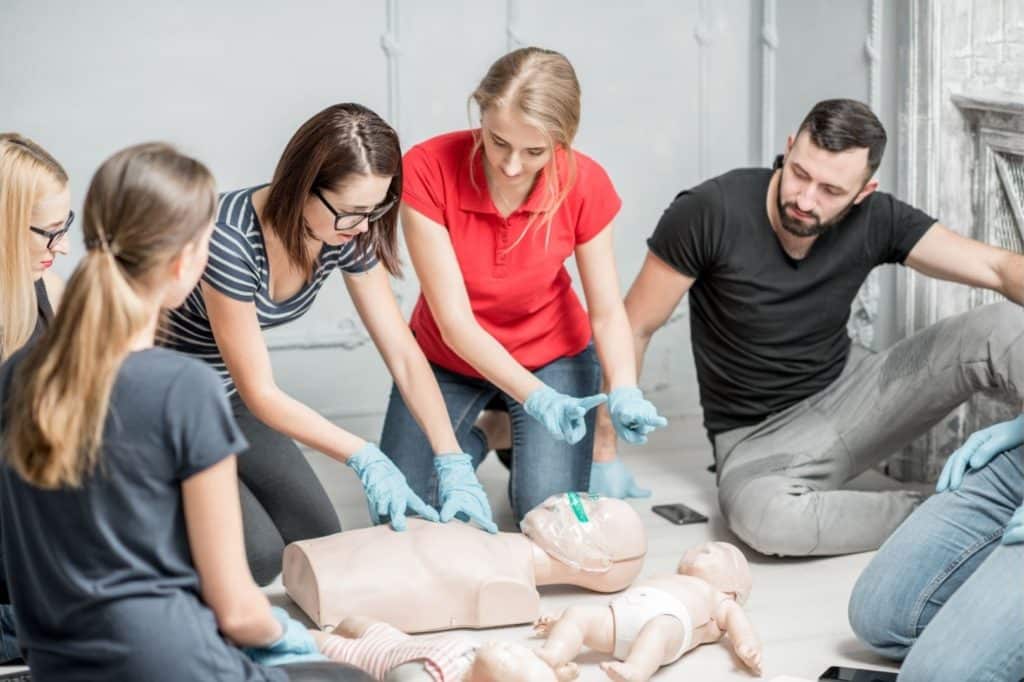
Emergencies often happen without warning, leaving people confused, frightened, and unsure of what to do next. In many cases, panic can make a difficult situation even worse because valuable time is lost while individuals struggle to react calmly. This is where first aid education becomes extremely important. Learning first aid skills gives people the confidence and practical knowledge needed to respond quickly and effectively during critical moments.
From workplaces and schools to homes and public spaces, first aid training helps individuals stay composed under pressure and provide immediate care before professional medical assistance arrives.
Building Confidence Through Practical Knowledge
One of the main reasons people panic during emergencies is uncertainty. When someone does not know how to respond to injuries, breathing problems, or sudden accidents, fear can quickly take over. First aid education replaces uncertainty with understanding.
Training programs teach participants how to assess situations calmly, identify dangers, and prioritise actions step by step. Whether dealing with cuts, burns, choking, or cardiac emergencies, people who complete a Bundaberg first aid course are more likely to remain focused because they already understand the procedures involved.
Confidence grows when individuals repeatedly practice emergency scenarios in controlled learning environments. This preparation allows them to think more clearly when real incidents occur.
Encouraging Faster Decision Making
Critical situations often require immediate action. Delays caused by panic can increase the severity of injuries or complications. First aid education trains individuals to react quickly without becoming overwhelmed.
Participants learn how to recognise symptoms, contact emergency services, and provide temporary assistance while waiting for professional help. These structured responses reduce hesitation and help prevent emotional reactions from controlling the situation.
Many people who complete Bundaberg first aid training report feeling more capable of handling stressful situations because they understand the importance of staying calm and following a process rather than reacting emotionally.
Reducing Fear During Medical Emergencies
Medical emergencies can be intimidating, especially for people with no previous experience. Seeing someone unconscious, injured, or struggling to breathe naturally creates fear. However, first aid education teaches that calm and organised actions can significantly improve outcomes.
CPR training is one of the most valuable examples. During cardiac emergencies, panic often causes bystanders to freeze or avoid helping altogether. A certified first aid and CPR course Bundaberg helps individuals become familiar with life-saving techniques, making them more willing to step forward during emergencies.
Knowing how to perform CPR, manage bleeding, or place someone in a recovery position creates reassurance and reduces emotional shock during intense situations.
Supporting Safer Workplaces and Communities
First aid education not only benefits individuals. It also contributes to safer workplaces and stronger communities. When multiple people within a group understand emergency response procedures, situations become more organised and controlled.
In workplaces, trained staff members can respond to accidents immediately while helping others remain calm. In schools and community events, first aid awareness encourages teamwork and responsible action during emergencies.
This shared understanding creates environments where people feel more prepared rather than helpless. It also reduces the spread of fear among crowds because trained individuals are often able to guide others effectively.
Improving Mental Preparedness
An important part of first aid education involves mental readiness. Training programs teach participants how to stay calm, communicate clearly, and focus on priorities during stressful moments. These lessons are valuable beyond medical emergencies because they strengthen emotional control and problem-solving skills.
People who understand emergency procedures are less likely to panic because they already know what steps should come next. This mental preparedness allows them to approach situations logically instead of emotionally.
The ability to remain calm under pressure can make a major difference in protecting both injured individuals and those providing assistance.
Conclusion
First aid education plays a vital role in reducing panic during critical situations by replacing fear with knowledge, preparation, and confidence. Through structured learning and practical experience, individuals become better equipped to respond calmly when emergencies occur.
As more individuals gain first aid knowledge, communities become safer, more prepared, and more capable of handling unexpected emergencies with confidence.


