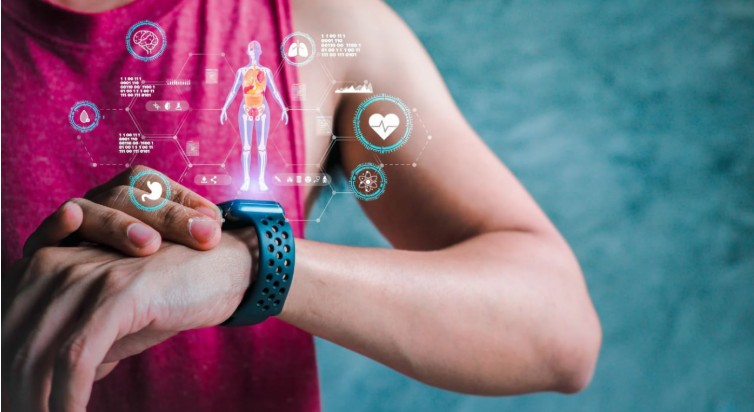
Entering 2026, advances in biotechnology and medical informatics have reached a peak, particularly in the prevention of cardiovascular disease. Heart disease remains one of the greatest global health challenges, but the arrival of the Latest Real-Time Heart Health Monitoring Technology in 2026 has provided a new paradigm in patient care and monitoring. Through the integration of artificial intelligence (AI), advanced biometric sensors, and high-speed wireless connectivity, heart health monitoring is no longer limited to hospital facilities but has become part of the ecosystem of everyday life with precision and accountability.
The Revolution of Biometric Sensors and Fifth Generation Wearable Devices
One of the main pillars of the Latest Real-Time Heart Health Monitoring Technology in 2026 is the use of non-invasive electrocardiogram (ECG) sensors with accuracy equivalent to professional clinical equipment. While in previous years, wearable devices were only able to detect crude heart rhythms, slot 10k devices in 2026 are equipped with multi-spectrum photoplethysmography (PPG) sensors capable of analyzing arterial stiffness and heart rate variability (HRV) with a very high level of detail.
Recent innovations also include the development of a transdermal, elastic “smart patch.” This device can adhere to the user’s skin for several days without causing irritation, while continuously transmitting data on the heart’s electrical activity directly to a central processing unit. This technology enables early detection of anomalies such as atrial fibrillation or arrhythmias, which often occur intermittently and are difficult to detect with conventional, static ECGs.
Implementation of Artificial Intelligence in Predictive Analytics
The success of real-time monitoring depends heavily on the system’s ability to process big data . The latest real-time heart health monitoring technology for 2026 relies on artificial intelligence algorithms capable of slot server thailand predictive analysis of heart attack risk. The AI within this system works by studying the unique patterns of each individual’s heart profile, thus recognizing microscopic changes that are early indicators of ischemia or congestive heart failure.
This system provides not only raw data but also easy-to-understand medical interpretation for users. If the system detects a dangerous pattern, the device automatically alerts the user to take immediate emergency medical action. Furthermore, this technology is connected to a network of nearby hospitals, so doctors can instantly access a patient’s heart health history upon arrival at the emergency department, significantly speeding up critical care time ( the golden hour ).
Cloud Connectivity and Remote Medical Telemetry
Integration with 6G network infrastructure, which will begin rolling out in 2026, ensures zero-latency transmission of heart health data. This connectivity enables more stable and inclusive remote medical telemetry services. Patients in remote areas can now be monitored in real time by heart specialists in major urban centers. Doctors can observe fluctuations in blood pressure, oxygen saturation, and the patient’s electrical activity as if they were in the physical examination room.
The application of Digital Twin technology is also an integral part of this innovation. The system creates a digital replica of the user’s heart based on continuously collected data. Through this digital replica, doctors can simulate the effects of certain medications or lifestyle changes on the patient’s heart condition before implementing these instructions. This minimizes the risk of malpractice and increases the effectiveness of personalized nutrition and physical activity therapy for people with cardiovascular disorders.
Ethical and Security Implications of Heart Health Data
As the use of the latest real-time heart health monitoring technology in 2026 goes viral, issues of data privacy and security have become a major topic in formal regulatory discussions. Heart health data is highly sensitive biometric information. Therefore, blockchain- based encryption protocols are now being implemented to ensure that data ownership rests solely with the user.
Any data access by third parties, including medical institutions, must go through a transparent, multi-layered authorization process. Governments and global health authorities have established standards for digital medical data protection by 2026 to prevent misuse of information by insurance companies or other commercial entities. Public trust in this technology depends heavily on assurances that the real-time data is used solely for the benefit of improving the quality of life and saving lives.
Conclusion: The Future of Cardiovascular Disease Prevention
In conclusion, the Latest Real-Time Heart Health Monitoring Technology 2026 has shifted the roadmap for heart disease management from a curative approach to a preventative-proactive one. The synergy between precise biometric sensors, intelligent AI analytics, and seamless connectivity offers new hope in reducing heart disease mortality worldwide.
The future of heart health now rests with accurate data and timely intervention. With continued innovation in this field, it is hoped that every individual will have access to robust heart health protection, enabling a healthy lifestyle to be the result of sound medical data-driven decisions. This technology is not just a tool, but a lifeguard, working silently to ensure every heartbeat is well-maintained in this era of increasingly digitalized medicine.